

Introduction to Iconic Monuments in India
India’s magnificent history is etched in its monuments — each narrating tales of kings, saints, and artisans. These iconic monuments in India capture the essence of its diverse culture and timeless architecture. In this Indian Monuments guide, we’ll explore the Top 12 Iconic Monuments in India, uncovering their historical legacy, unique architecture, and travel tips to make your journey unforgettable.
Top 12 Iconic Monuments in India You Can’t Miss
1. Taj Mahal, Agra
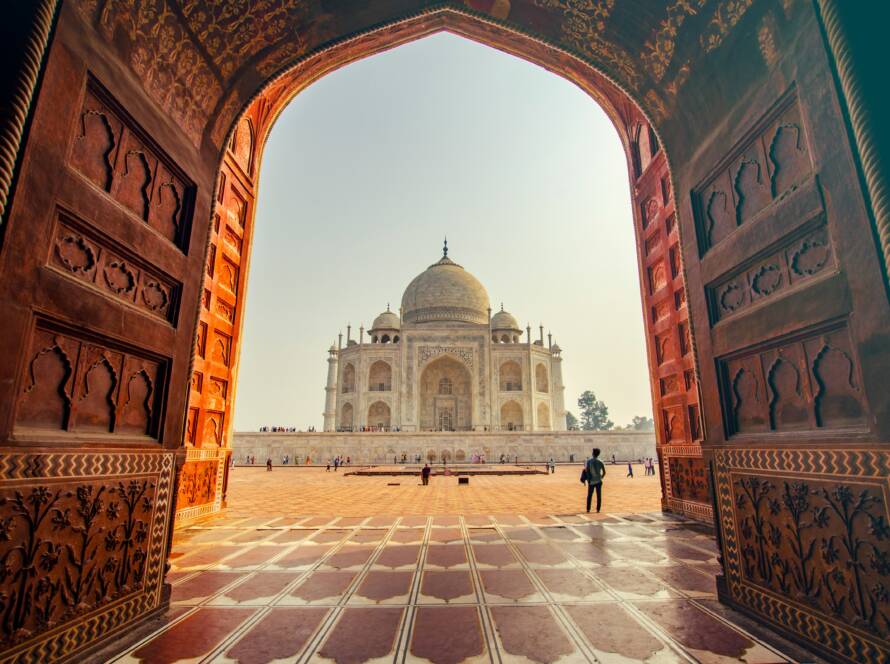
Historical Significance and Story Behind Its Marble Splendor
Among the most iconic monuments in India, the Taj Mahal stands as a symbol of eternal love. Built by Emperor Shah Jahan in 1631 for his wife Mumtaz Mahal, this UNESCO World Heritage Site glows with exquisite white marble artistry. It’s one of the most celebrated ancient India monuments admired across the world.
Best Time and Tips for Visiting
The best time to visit is from October to March, avoiding the summer heat. Visit early morning or during the full moon for mesmerizing views. Online ticket booking is recommended, and professional guides can enrich your experience with fascinating historical insights.
Also, Check Out Our Golden Triangle Tour Package
2. Red Fort, Delhi
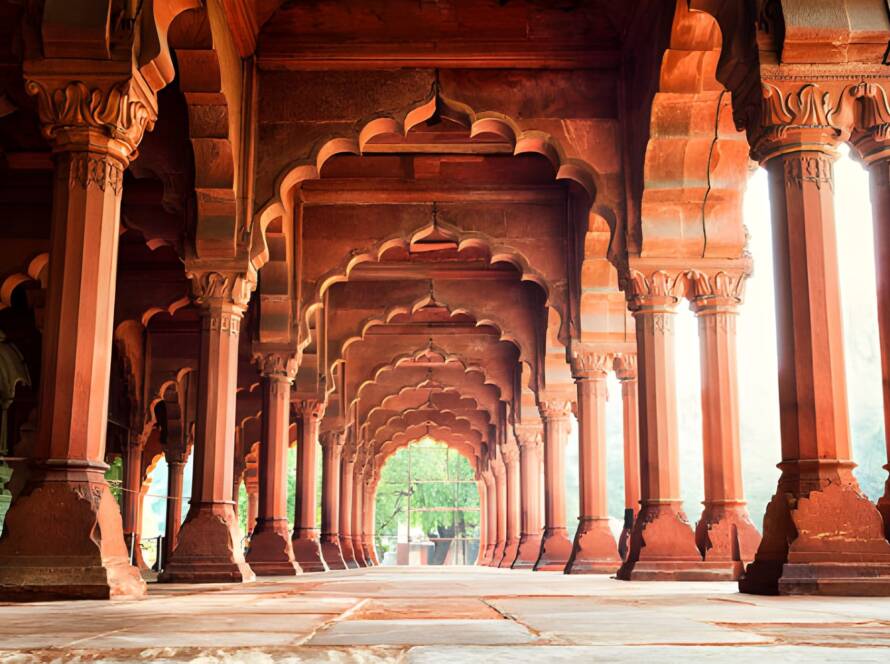
Historical Significance and Story Behind
Constructed in 1639 by Shah Jahan, the Red Fort is a prominent example of Mughal architectural features in India. Its red sandstone walls and intricate carvings embody Mughal craftsmanship. The fort hosted India’s first Independence Day speech by Prime Minister Nehru — a defining moment in modern history.
Best Time and Tips for Visiting
Explore the fort between November and February for pleasant weather. Don’t miss the evening sound and light show that narrates Delhi’s historical evolution. Include it in your Indian Monuments guide itinerary for its cultural and national significance.
3. Qutub Minar, Delhi
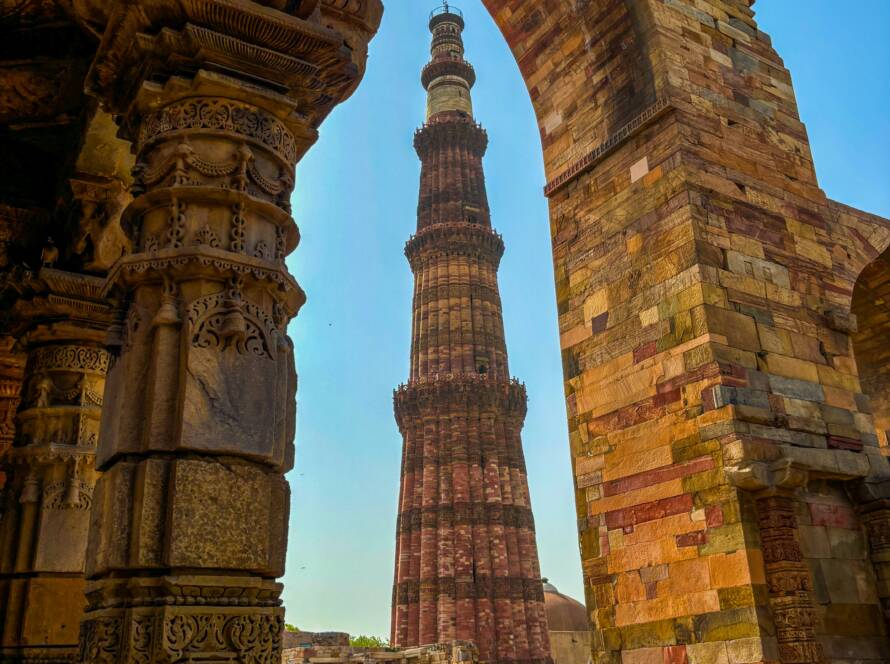
Historical Significance and Story Behind
A remarkable example of ancient India monuments, the Qutub Minar soars 73 meters high, built in 1193 by Qutb-ud-din Aibak. This UNESCO site marks the beginning of Muslim rule in India and showcases Indo-Islamic architectural brilliance through its inscriptions and carvings.
Best Time and Tips for Visiting
Visit during sunrise or late afternoon for perfect photography light. The Qutub Festival, held annually, transforms the site into a cultural haven of music and dance.
4. Humayun’s Tomb, Delhi
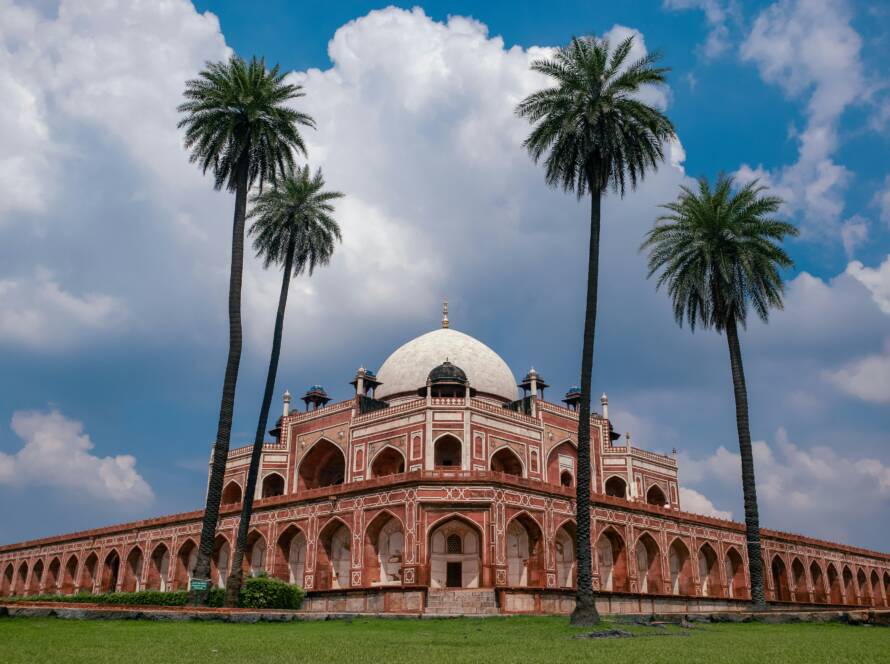
Historical Significance and Story Behind
The Humayun’s Tomb, built in 1570, was India’s first garden-tomb and a precursor to the Taj Mahal. It introduced Persian-style architecture to India, making it one of the most admired heritage monuments of India.
Best Time and Tips for Visiting
Visit between October and February when Delhi’s weather is pleasant. Early morning visits capture the symmetry and gardens beautifully. Guided tours offer deep insights into its architectural features of Mughal monuments in India
Also Read This: Best Hill Stations in India for a Serene Escape | Top 15 Hill Stations
5. Agra Fort, Agra
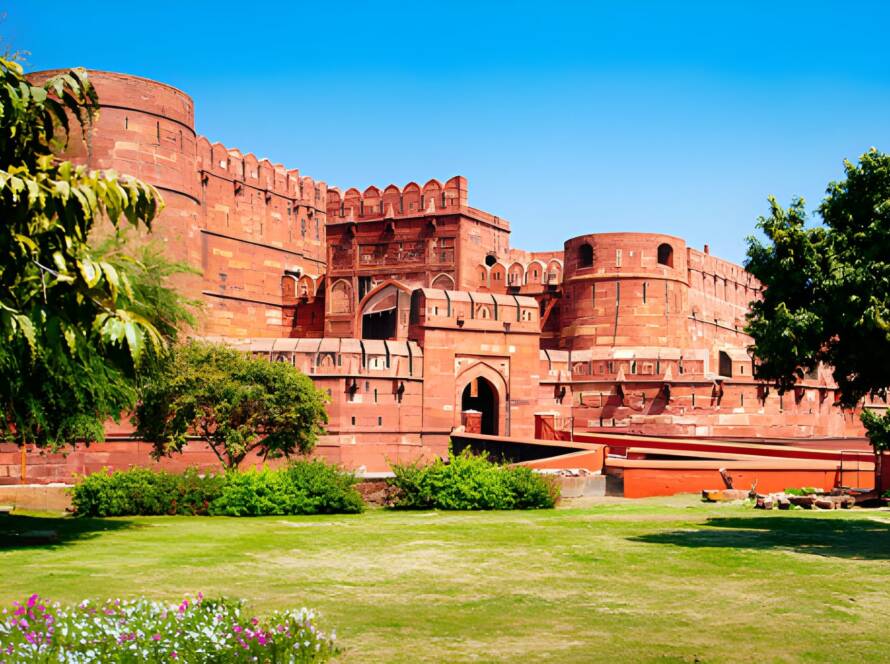
Historical Significance and Story Behind
Located near the Taj Mahal, Agra Fort is an architectural gem built by Akbar in 1565. This fortress witnessed royal ceremonies, Mughal politics, and poetic tragedies. It represents the evolution of Mughal architecture from red sandstone to white marble.
Best Time and Tips for Visiting
Include it in your Top 10 Iconic Monuments in India trip plan. The best time to visit is winter, with combined entry passes available for the Taj Mahal and Agra Fort.
6. Fatehpur Sikri, Uttar Pradesh
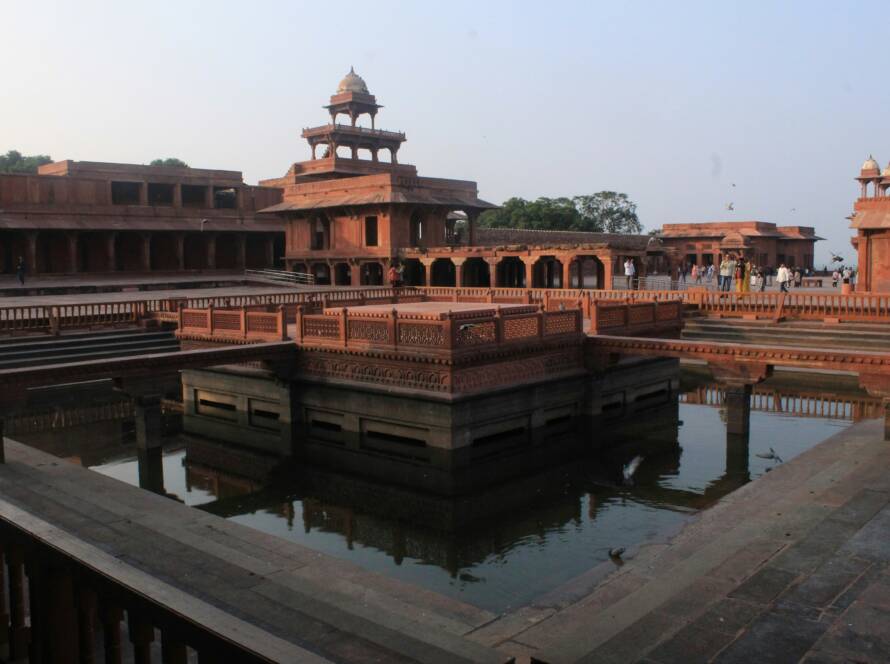
Historical Significance and Story Behind
A masterpiece of Indo-Islamic architecture, Fatehpur Sikri was Akbar’s short-lived capital. Known for the Buland Darwaza and Panch Mahal, it reflects the emperor’s secular vision and artistic innovation — a true gem among ancient India monuments.
Best Time and Tips for Visiting
Visit from October to March. Avoid weekends for a quieter experience. It’s best explored with a local guide for hidden stories of Akbar’s reign.
7. Hampi’s Vittala Temple, Karnataka
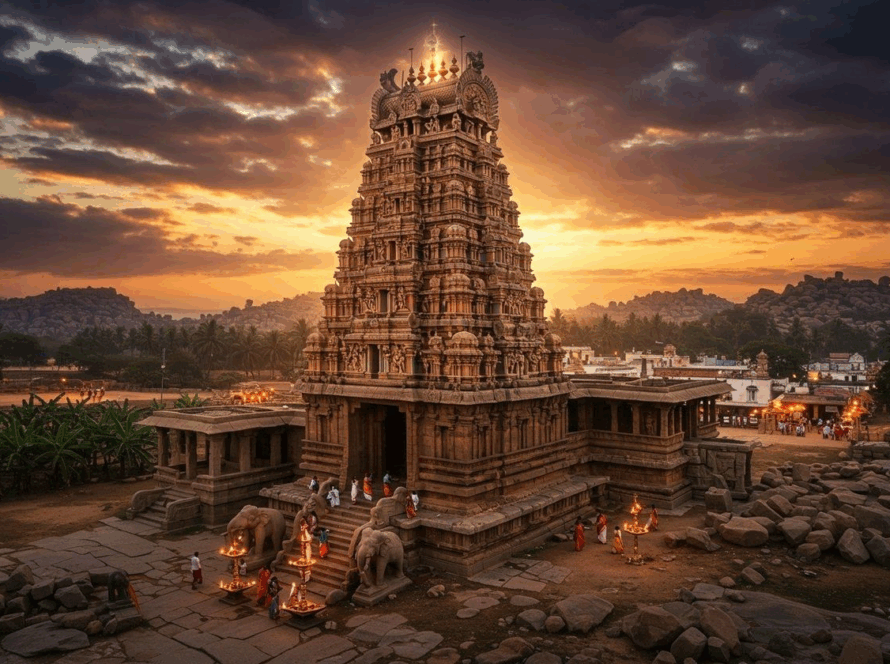
Historical Significance and Story Behind
The Vittala Temple in Hampi is an architectural marvel of the Vijayanagara Empire. Its iconic stone chariot and musical pillars make it one of the must-visit monuments in India. The site is also a UNESCO World Heritage treasure.
Best Time and Tips for Visiting
Best visited from November to February, Hampi offers surreal landscapes dotted with boulders and ruins. Stay in Hospet for easy access and sunrise views.
8. Ellora Caves, Maharashtra
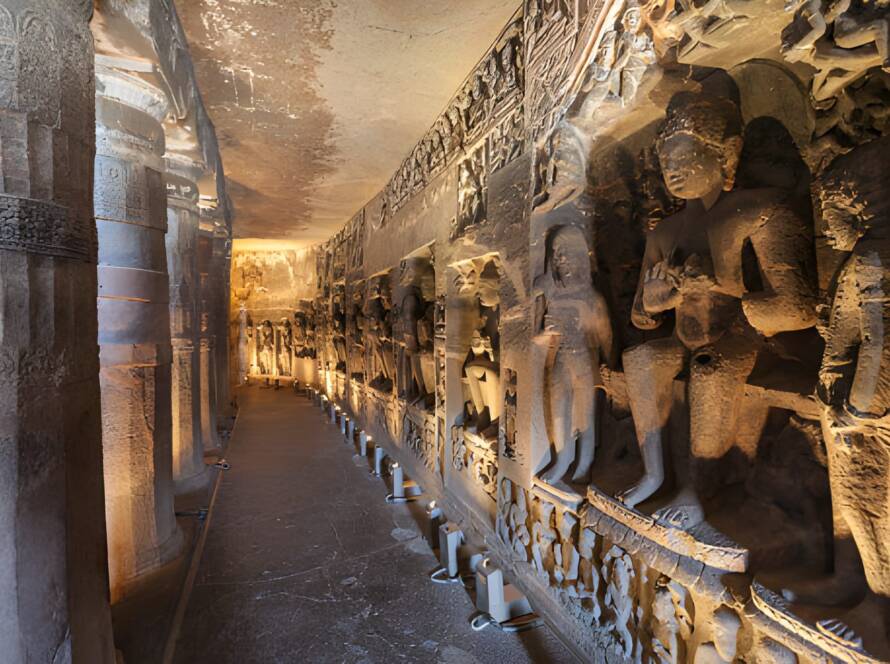
Historical Significance and Story Behind
Carved between the 6th and 10th centuries, the Ellora Caves represent India’s unity in diversity. With 34 rock-cut temples representing Buddhism, Hinduism, and Jainism, it’s among the most spiritually enriching heritage monuments of India.
Best Time and Tips for Visiting
Visit during winter months for comfort. The Kailasa Temple, carved from a single rock, is a marvel of ancient craftsmanship.
9. Khajuraho Temples, Madhya Pradesh
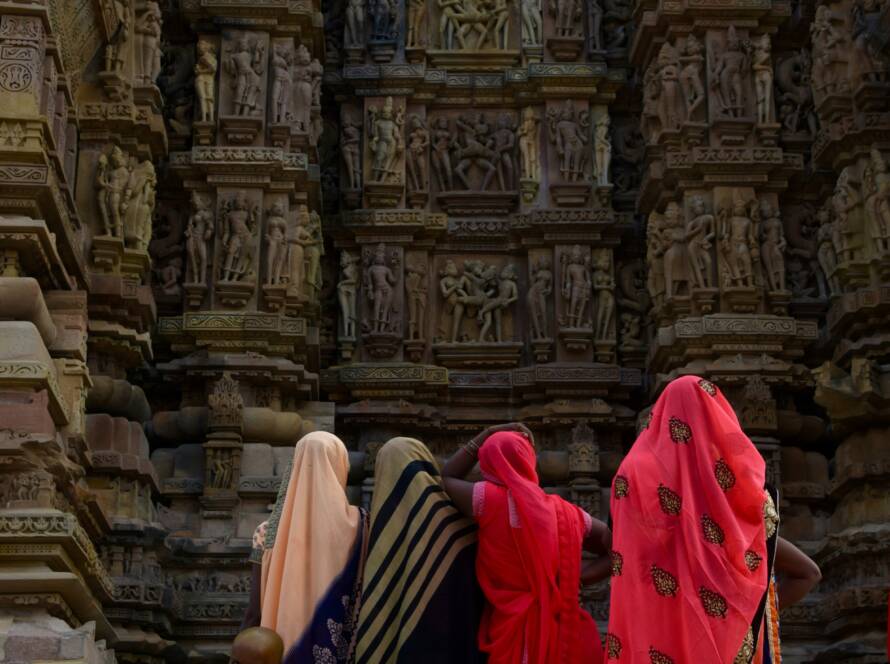
Historical Significance and Story Behind
Built between 950–1050 CE, the Khajuraho Temples are celebrated for their intricate sculptures depicting divine and human emotions. These temples symbolize the spiritual philosophy of ancient India.
Best Time and Tips for Visiting
Visit between October and March. The Khajuraho Dance Festival each February showcases India’s classical art forms against this majestic backdrop.
10. Amer Fort, Jaipur
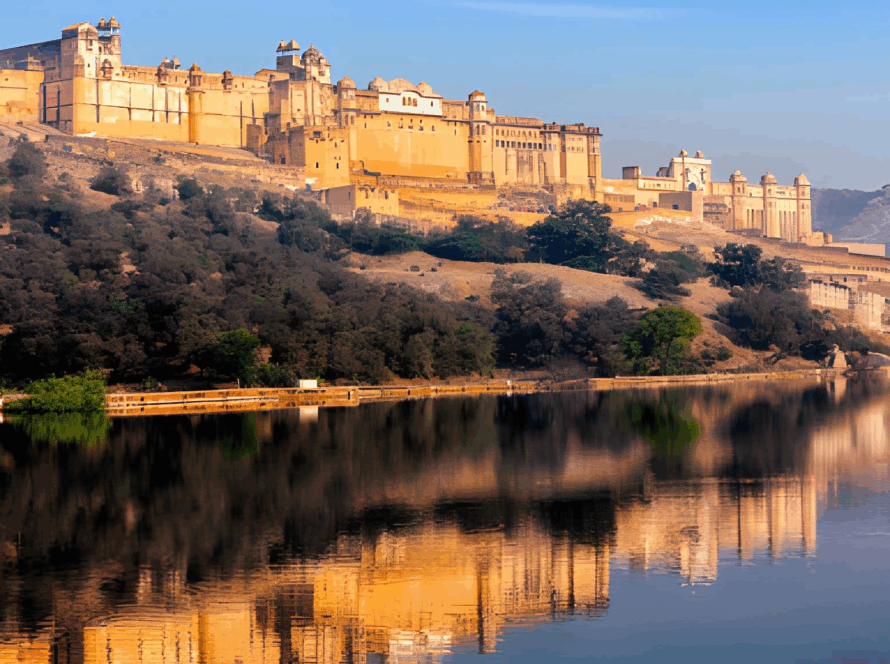
Historical Significance and Story Behind
Overlooking Jaipur, Amer Fort is a majestic fusion of Mughal and Rajput architecture. Its mirror work, Sheesh Mahal, and sprawling courtyards make it one of the most photogenic historical monuments in India.
Best Time and Tips for Visiting
Visit early morning or at sunset to capture golden hues. Combine it with Jaipur’s City Palace and Hawa Mahal for a complete royal experience.
Also, Check Out Our North India Tour Package
11. Mehrangarh Fort, Jodhpur

Historical Significance and Story Behind
Dominating Jodhpur’s skyline, Mehrangarh Fort is one of the grandest heritage monuments of India, built in 1459 by Rao Jodha. Rising 400 feet above the city, it narrates tales of Rajput bravery, royal splendor, and architectural mastery.
Best Time and Tips for Visiting
Visit from November to February. Explore the museum inside, showcasing Rajput armor, palanquins, and musical instruments. Sunset views from the fort’s ramparts over the Blue City are unforgettable.
Also Check Out Our Regal Rajasthan Tour Package
12, Golden Temple, Amritsar
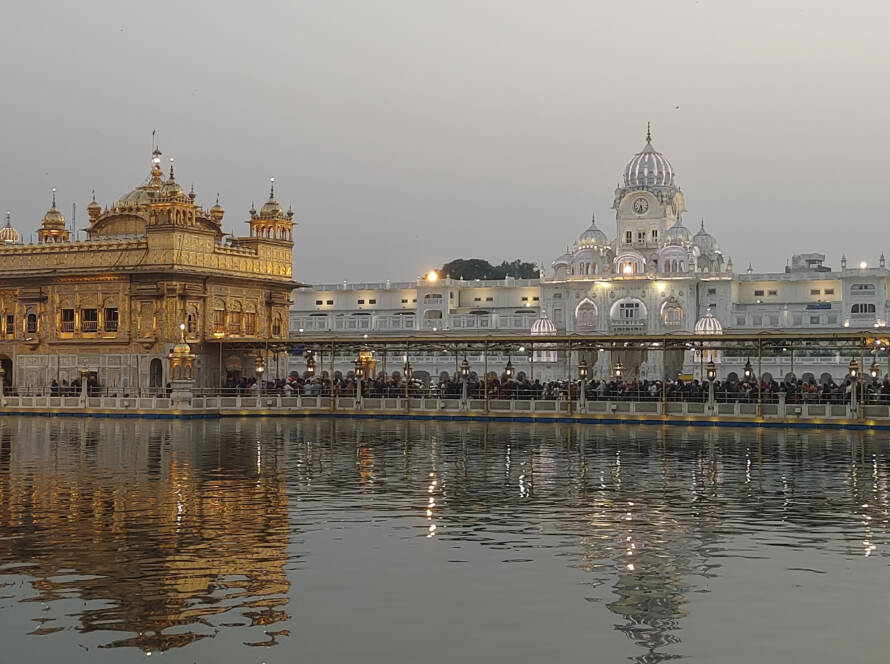
Historical Significance and Story Behind
The Golden Temple, or Sri Harmandir Sahib, is the holiest shrine in Sikhism and a shining symbol of peace and equality. Its gold-plated dome and serene Amrit Sarovar make it one of the most spiritually uplifting iconic monuments in India.
Best Time and Tips for Visiting
Visit early morning to witness the Palki Sahib ceremony. The Langar (community kitchen) serves free meals to thousands daily — a profound experience of unity and service.
The Architectural Features of Mughal Monuments in India
Common Motifs: Domes, Arches, Inlay Work
The architectural features of Mughal monuments in India reflect grandeur and symmetry. Common motifs include bulbous domes, intricate marble inlay, and ornamental arches — blending Persian finesse with Indian artistry. The combination of red sandstone and white marble defined an era of unmatched elegance.
Materials and Craftsmanship That Define Mughal Architecture
Mughal architecture was characterized by precise geometry, pietra dura inlay, and floral motifs. Structures like the Taj Mahal and Humayun’s Tomb represent innovation, spiritual symbolism, and enduring craftsmanship that still inspire architects globally.
Planning Your Trip to Must Visit Monuments in India
Suggested 7-Day Itinerary Covering Delhi and Agra
Day 1–2: Explore Delhi — Red Fort, Qutub Minar, Humayun’s Tomb
Day 3–4: Drive to Agra — Taj Mahal, Agra Fort, and Fatehpur Sikri
Day 5–7: Add Jaipur — Amer Fort and City Palace for a complete Golden Triangle experience.
For an extended trip, add Jodhpur’s Mehrangarh Fort or Amritsar’s Golden Temple for cultural depth.
Transportation Tips: Trains, Flights, and Road Travel

India’s heritage monuments are well-connected by air, train, and road. Book Vande Bharat or Gatimaan Express trains for speed and comfort. Use domestic flights for longer routes like Delhi–Aurangabad (Ellora Caves) or Delhi–Hampi via Bengaluru.
Budgeting and Accommodation Near Heritage Monuments of India
Stay in heritage hotels near monuments for immersive experiences. In Agra, the Oberoi Amarvilas offers Taj-facing rooms. Budget travelers can choose local homestays or mid-range hotels near city centers.
Why These Historical Monuments in India Are Still Relevant Today
Cultural Preservation and Community Impact
These historical monuments in India preserve centuries of culture and inspire national pride. They sustain local craftsmanship, tourism, and community livelihoods — ensuring history remains alive through storytelling and artistry.
Conservation Efforts and Sustainable Tourism
Organizations like the Archaeological Survey of India (ASI) and UNESCO drive preservation. Sustainable tourism practices — including responsible photography, waste management, and guided tours — protect these heritage monuments of India for future generations.
How India Travel Factory Helps You Make Your Journey Easy
India Travel Factory curates seamless tours covering the Top 12 Iconic Monuments in India. From luxury stays and expert-guided heritage walks to personalized travel planning, the company ensures authentic experiences at every step. Their Indian Monuments guide packages are ideal for first-time visitors seeking comfort, safety, and cultural immersion.
Conclusion
Exploring the iconic monuments in India is like walking through a living museum of dynasties, devotion, and design. These ancient India monuments not only define architectural brilliance but also reflect India’s enduring soul. With the right Indian Monuments guide, your journey becomes a celebration of heritage and history that continues to inspire the world.
Frequently Asked Questions
Q1 What is the best way to book tickets for the Taj Mahal and Red Fort?
Book online via the Archaeological Survey of India (ASI) or trusted travel partners like India Travel Factory to skip queues and get verified access.
Q2 Are there any combined passes for multiple UNESCO World Heritage Sites in India?
Yes. Delhi and Agra offer combined tickets covering Red Fort, Humayun’s Tomb, and Qutub Minar at discounted rates.
Q3 How much time should I allocate to fully explore Qutub Minar complex?
Plan about 2 hours to explore its intricate carvings, minaret base, and surrounding ruins.
Q4 Can solo travelers safely visit these monuments after sunset?
Most sites close at sunset. However, sound and light shows at Red Fort and Amer Fort are safe and well-organized.
Q5 What are the entry fees and photography charges at major Mughal monuments?
Fees vary from US$5-20 per monument for foreign travelers. DSLR photography and videography often require a small additional charge.
Q6 Do heritage monuments of India offer audio guides in multiple languages?
Yes, audio guides are available in English, French, Spanish, and other major languages at the most popular sites.
Q7 How can I get the best discounts on India Travel Factory monument tours?
Booking early through official website promotions or festive offers ensures the best prices and added benefits like skip-the-line access.