
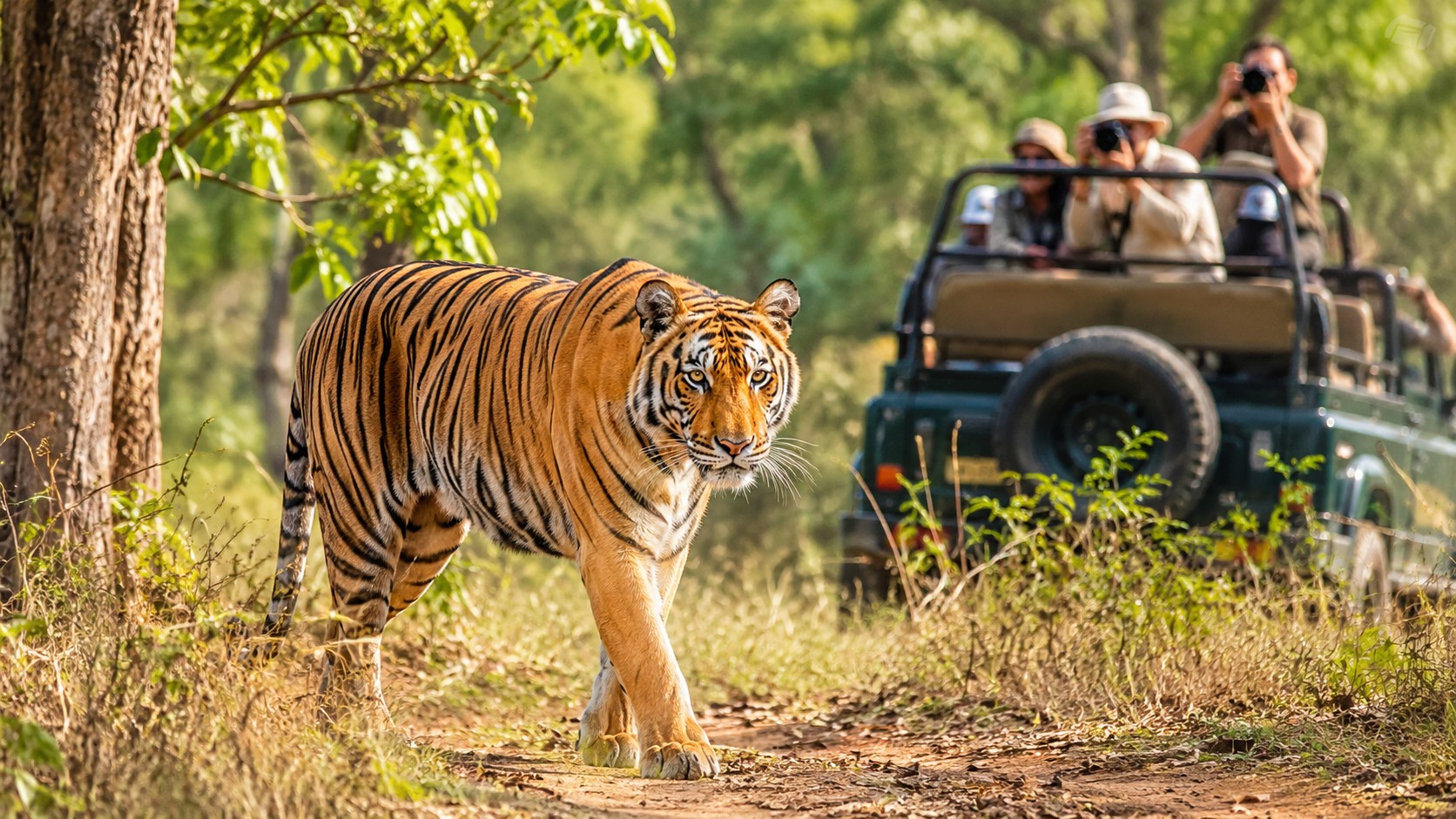
India is a land of extraordinary natural diversity, where dense tropical forests, expansive grasslands, riverine landscapes and rugged mountain ecosystems create habitats for some of the world’s most fascinating wildlife. From the majestic Bengal tiger roaming the forests of Madhya Pradesh to the one horned rhinoceros grazing in the grasslands of Assam, the country offers remarkable opportunities to experience nature in its most captivating form.
For travellers seeking experiences beyond conventional sightseeing, wildlife tourism in India offers an opportunity to explore the country’s natural heritage through guided jungle safaris, birdwatching excursions, nature walks and immersive stays close to protected wilderness areas. Every forest has its own character, every safari brings a different experience, and every encounter with wildlife is a reminder of the importance of preserving these extraordinary ecosystems.
India is home to numerous national parks and wildlife reserves, several of which are internationally recognised for their biodiversity and conservation efforts. Whether you are planning a memorable tiger safari in India, hoping to photograph rare wildlife or simply looking to disconnect from everyday life, the country’s wilderness destinations promise experiences that stay with you long after the journey ends.
In this guide, we explore some of the best national parks in India, the wildlife experiences they offer, the ideal seasons to visit and practical insights to help you plan an unforgettable wildlife holiday.
Top 12 Best National Parks in India for an Unforgettable Wildlife Safari
Choosing the right destination can make all the difference to your wildlife holiday. While some parks are celebrated for their tiger population, others are known for rare mammals, spectacular birdlife, distinctive landscapes and unique safari experiences.
Here are ten of the most rewarding wildlife destinations in India that deserve a place on every nature enthusiast’s travel list.
1. Ranthambore National Park, Rajasthan
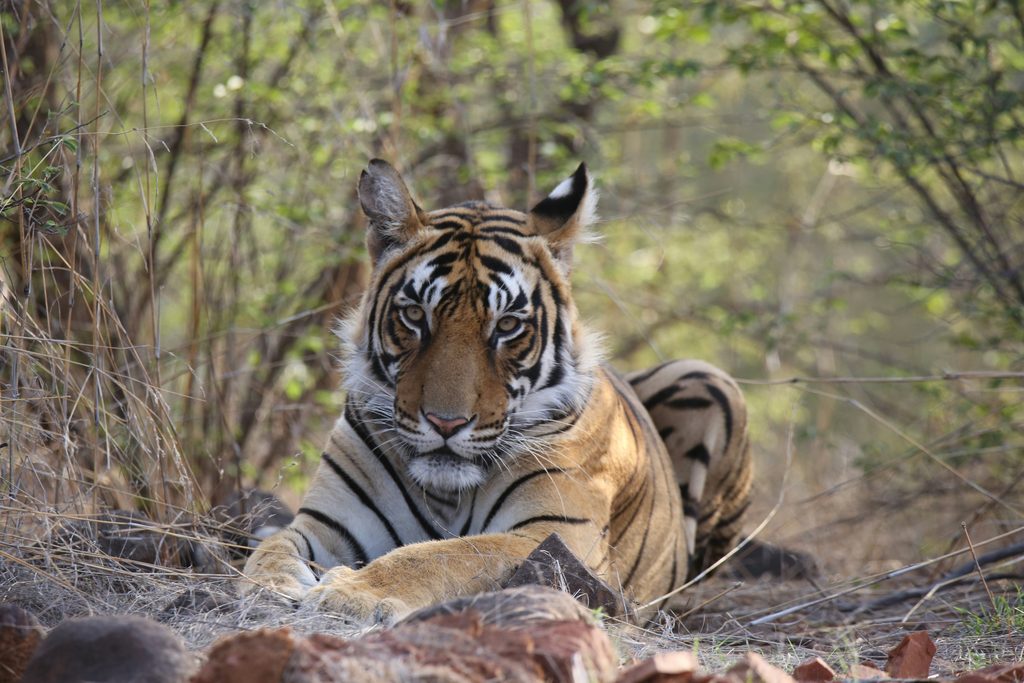
Best known for: Bengal tigers, historic ruins and picturesque landscapes.
Located in Sawai Madhopur, Rajasthan, Ranthambore National Park is among the most celebrated wildlife destinations in the country. Once a royal hunting ground, the park is now one of India’s best known tiger reserves and attracts wildlife enthusiasts and photographers from around the world.
What makes Ranthambore particularly fascinating is its combination of natural beauty and history. Ancient ruins, lakes, rocky hills and open grasslands create a distinctive setting for wildlife exploration. The majestic Ranthambore Fort overlooking the forest adds another dimension to the experience.
Apart from the Royal Bengal tiger, visitors may encounter leopards, sloth bears, sambar deer, spotted deer, crocodiles, hyenas and several species of birds.
A morning or afternoon jeep safari offers an opportunity to explore designated forest zones with trained guides. For travellers seeking the best tiger sighting in India, Ranthambore is certainly one of the destinations worth considering.
Best time to visit: October to June, subject to seasonal park closures and safari regulations. November to March is pleasant for exploring, while the warmer months can offer favourable wildlife viewing opportunities.
2. Bandhavgarh National Park, Madhya Pradesh
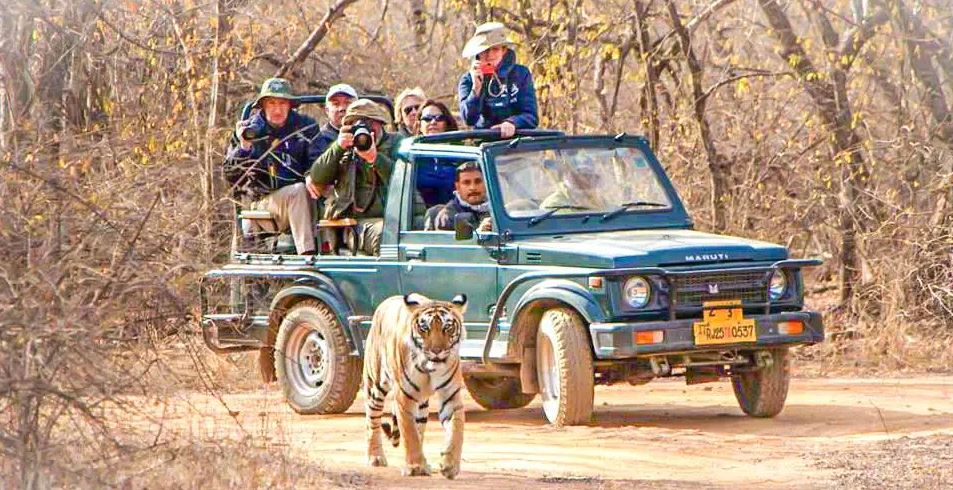
Best known for: Tiger sightings and rich biodiversity.
For travellers whose primary interest is a tiger safari in India, Bandhavgarh National Park deserves serious consideration.
Situated in the Vindhya Hills of Madhya Pradesh, Bandhavgarh is renowned for its tiger population and diverse forest ecosystem. Its landscape features dense sal forests, bamboo vegetation, open meadows and rocky terrain, providing suitable habitats for a variety of wildlife.
The park is home to Bengal tigers, leopards, sloth bears, wild dogs, sambar deer and numerous bird species. The historic Bandhavgarh Fort and the ancient remains within the forest also make this destination particularly interesting for travellers who enjoy combining history with nature.
The Tala, Magadhi and Khitauli zones are among its well known safari areas. However, wildlife sightings vary depending on animal movement and forest conditions.
Best time to visit: October to June, with March to May generally offering favourable conditions for wildlife viewing.
3. Kanha National Park, Madhya Pradesh
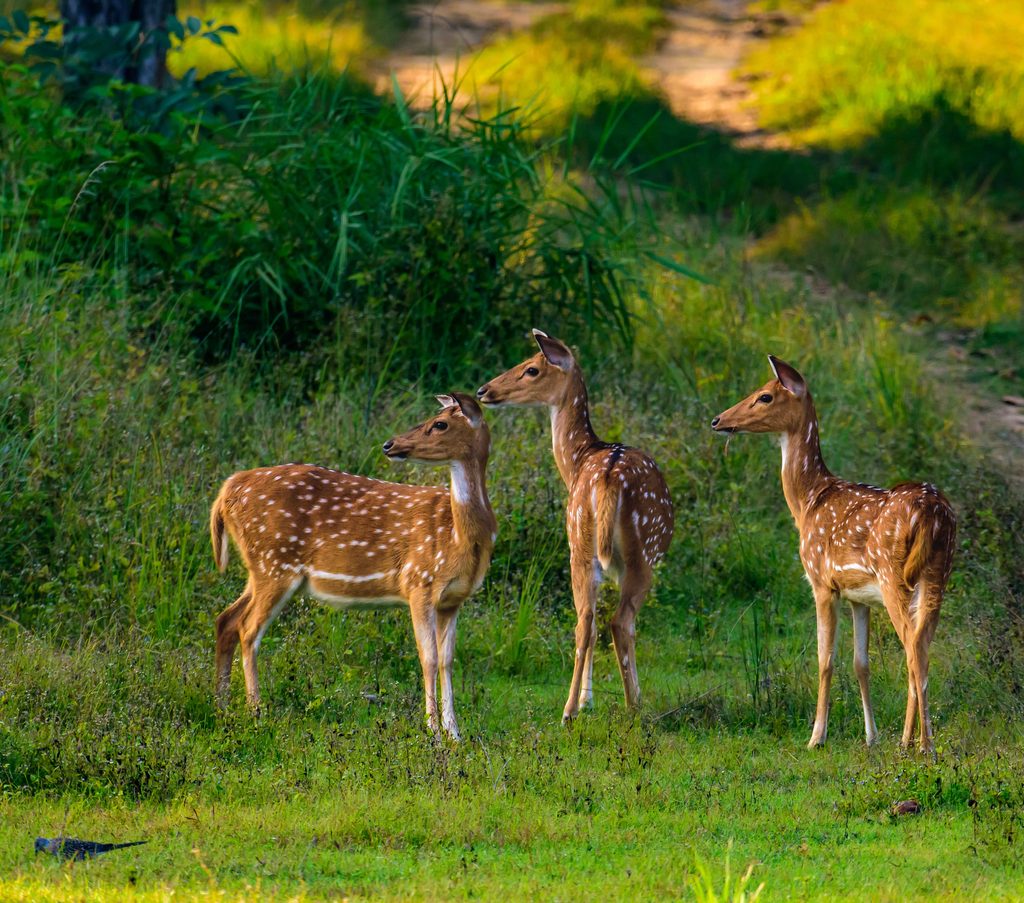
Best known for: Barasingha, Bengal tigers and beautiful forest landscapes.
If there is one destination that captures the charm of India’s wilderness, it is Kanha National Park.
Spread across the Maikal Hills, Kanha is one of the largest and most celebrated national parks in Madhya Pradesh. Its expansive meadows, dense sal forests and winding streams create an exceptionally scenic environment for a jungle safari experience.
Kanha is particularly recognised for its successful conservation efforts to protect the hard ground barasingha, also known as the swamp deer. It is also home to Bengal tigers, leopards, Indian gaurs, sloth bears, wild dogs and a remarkable variety of birds.
The park’s Kisli, Kanha, Mukki and Sarhi safari zones provide different opportunities to explore its natural landscapes.
Unlike destinations known primarily for tiger sightings, Kanha offers a more comprehensive wildlife experience, making it an excellent choice for families, photographers and nature lovers.
Best time to visit: October to June. October to March is ideal for comfortable weather, while March to May can be rewarding for wildlife viewing.
4. Jim Corbett National Park, Uttarakhand
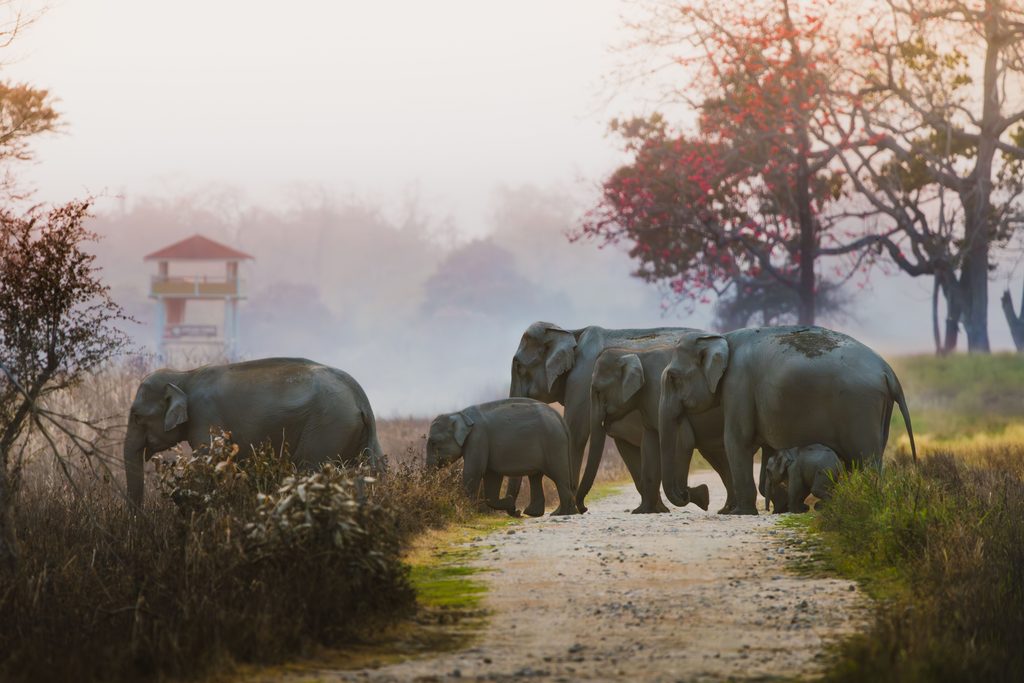
Best known for: Bengal tigers, elephants, birdlife and Himalayan foothill landscapes.
Established in 1936, Jim Corbett National Park holds the distinction of being India’s first national park.
Located in the foothills of the Himalayas, Corbett is an exceptional destination for travellers who appreciate diverse landscapes. The park features riverine belts, grasslands, dense forests and hilly terrain, creating habitats for numerous species.
Its wildlife includes Bengal tigers, Asian elephants, leopards, crocodiles, deer and an impressive variety of resident and migratory birds.
Corbett is particularly attractive for travellers looking for a combination of wildlife exploration and a peaceful nature retreat. Different tourism zones offer different experiences, and some designated forest areas also have regulated overnight accommodation facilities.
A stay at a forest lodge or a nature resort near the park can add to the overall experience.
Best time to visit: November to June, depending on the selected zone. Individual zones have different operating schedules.
5. Kaziranga National Park, Assam
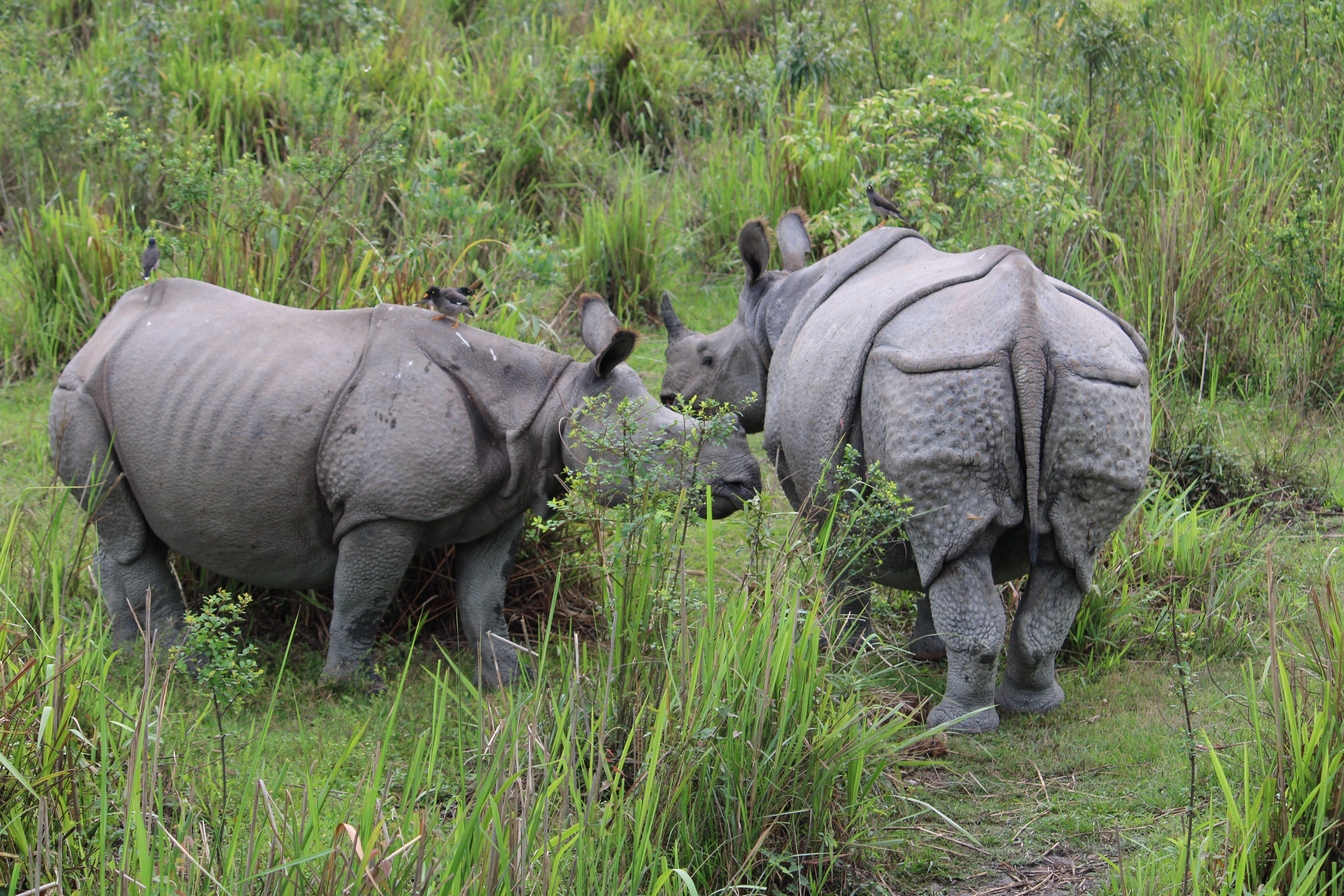
Best known for: One horned rhinoceros and exceptional biodiversity.
For a wildlife experience that is distinctly different from the central Indian tiger reserves, head towards Kaziranga National Park.
A UNESCO World Heritage Site, Kaziranga is internationally recognised for its conservation of the endangered greater one horned rhinoceros. Its extensive grasslands, wetlands and riverine forests support an extraordinary range of wildlife.
The park is also home to wild elephants, Bengal tigers, wild water buffaloes, swamp deer and numerous bird species.
Visitors can explore designated areas through authorised jeep safaris and experience the remarkable natural beauty of Assam’s wilderness. The surrounding region also offers opportunities to visit tea gardens, traditional villages and scenic landscapes.
Kaziranga is an excellent choice for travellers interested in biodiversity beyond the conventional tiger safari.
Best time to visit: November to April. Late February to early April is particularly attractive for wildlife observation, subject to official park schedules.
6. Gir National Park, Gujarat
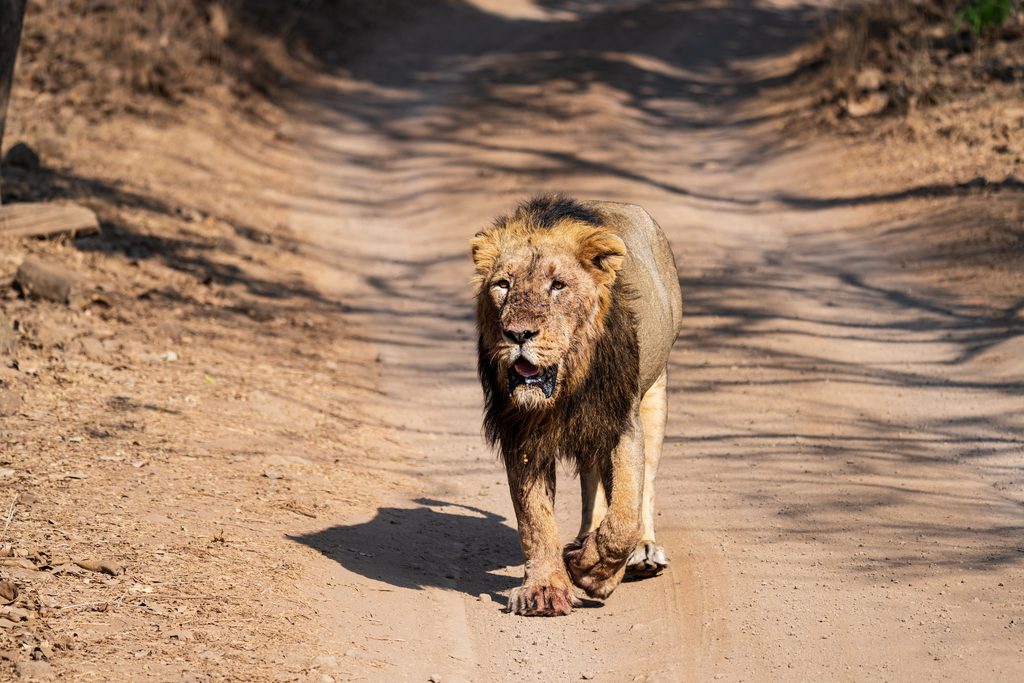
Best known for: The Asiatic lion.
If seeing an Asiatic lion in its natural habitat is on your travel wishlist, Gir National Park should be among your top choices.
Located in the Saurashtra region of Gujarat, Gir is globally significant as the last natural habitat of the Asiatic lion.
Its dry deciduous forests, grasslands and rugged hills support a variety of wildlife, including leopards, striped hyenas, jackals, sambar deer, chital and crocodiles.
A guided jeep safari through Gir offers an opportunity to understand the unique ecology of this landscape while observing its wildlife from designated routes.
Travellers can also explore nearby cultural attractions and coastal destinations, making Gir an interesting addition to a broader Gujarat holiday.
Best time to visit: November to March. Gir’s main jungle safari remains seasonally closed during the monsoon period, generally from 16 June to 15 October.
7. Nagarhole National Park, Karnataka
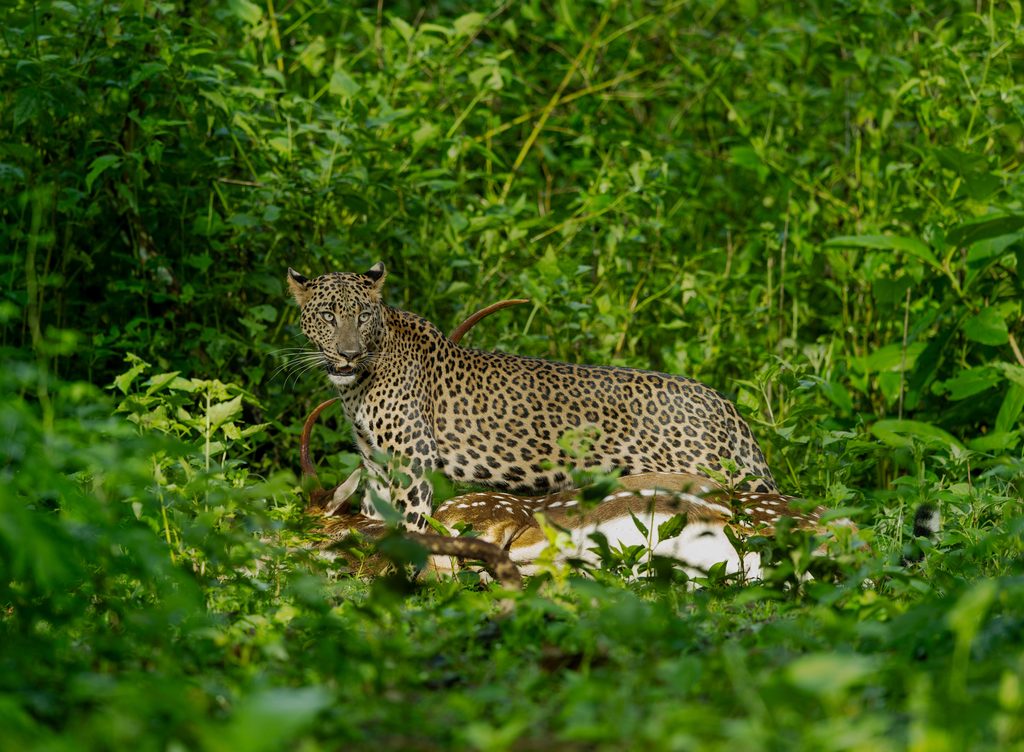
Best known for: Elephants, tigers and the beautiful Kabini landscape.
Situated in Karnataka, Nagarhole National Park is an excellent destination for travellers looking for an immersive forest experience.
Also known as Rajiv Gandhi National Park, Nagarhole forms part of an important wildlife landscape connecting forests across Karnataka and the neighbouring regions.
The park supports Bengal tigers, Asian elephants, leopards, Indian wild dogs, gaurs, deer and several bird species.
The nearby Kabini region is particularly popular among wildlife enthusiasts. Depending on the authorised activity and location, visitors can enjoy jeep safaris and boat based wildlife experiences.
The combination of forest landscapes, river views and comfortable nature stays makes Nagarhole an appealing choice for couples, families and photographers.
Best time to visit: October to May. The drier months can provide favourable opportunities for wildlife observation, particularly around water sources.
8. Periyar Wildlife Sanctuary, Kerala
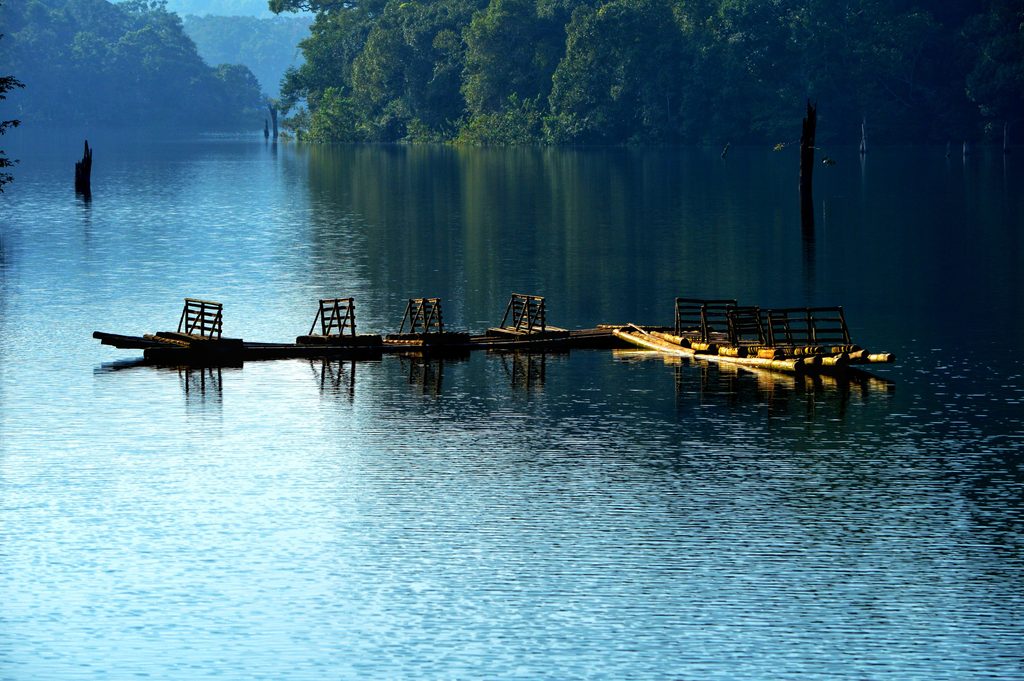
Best known for: Elephants, lake cruises and lush Western Ghats landscapes.
Not every wildlife holiday needs to revolve around a jeep safari. Periyar Tiger Reserve offers a refreshing alternative through its beautiful lake and forest experiences.
Located in the Western Ghats, Periyar is surrounded by rolling hills, evergreen forests and picturesque landscapes. The reserve supports elephants, gaurs, sambar deer, wild boars, Nilgiri langurs and several other species.
One of its most distinctive attractions is boating on Periyar Lake, where visitors may observe elephants and other animals near the water’s edge.
Thekkady also offers opportunities to experience local culture, spice plantations and guided nature activities.
For travellers planning a Kerala holiday, Periyar can be combined with destinations such as Munnar, Kumarakom and Alleppey.
Best time to visit: October to April, although the reserve offers different experiences across seasons.
9. Pench National Park, Madhya Pradesh and Maharashtra
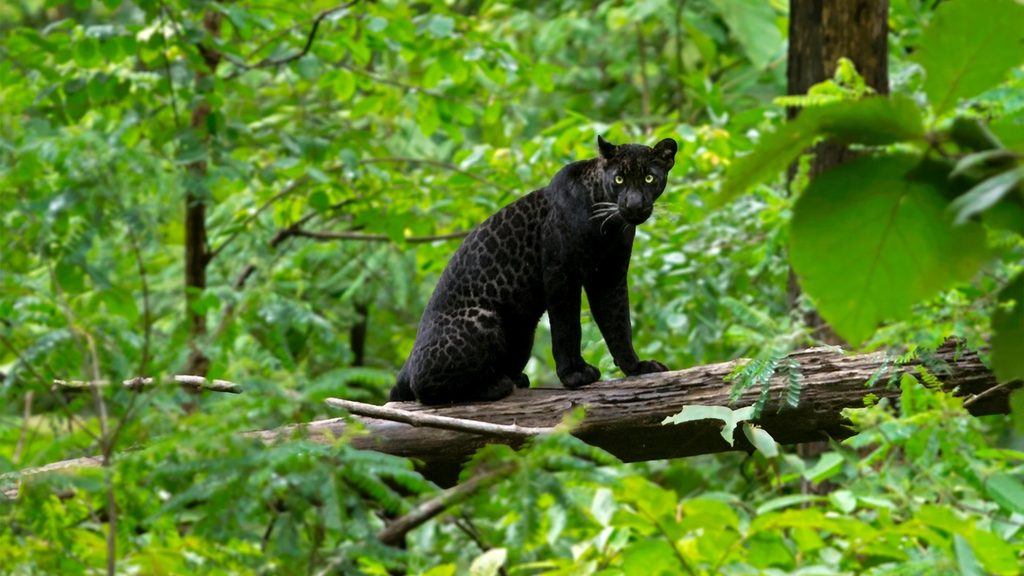
Best known for: Tigers, rich birdlife and The Jungle Book connection.
The enchanting forests of Pench National Park are widely associated with the landscapes that inspired Rudyard Kipling’s famous The Jungle Book.
The park is located across the states of Madhya Pradesh and Maharashtra and is known for its teak forests, open grasslands and the Pench River.
Wildlife enthusiasts may encounter Bengal tigers, leopards, Indian gaurs, wild dogs, sloth bears, deer and a wide range of bird species.
Pench offers an excellent opportunity to experience the central Indian forest ecosystem through guided jeep safaris. It is particularly appealing to travellers who want to explore more than one wildlife destination in Madhya Pradesh.
Best time to visit: October to June, with the warmer months offering favourable opportunities for wildlife sightings.
10. Sundarbans National Park, West Bengal
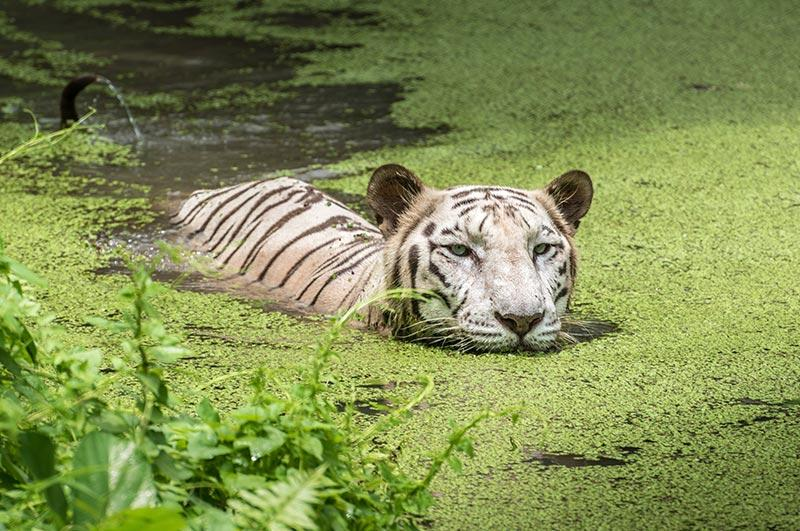
Best known for: Mangrove forests, Bengal tigers and unique aquatic ecosystems.
For something truly extraordinary, explore Sundarbans National Park.
A UNESCO World Heritage Site, the Sundarbans forms part of the world’s largest mangrove forest ecosystem, extending across India and Bangladesh.
Unlike the open landscapes of central India’s tiger reserves, the Sundarbans is a fascinating network of tidal waterways, creeks, mudflats and mangrove islands.
Its unique ecosystem supports Bengal tigers, saltwater crocodiles, spotted deer, aquatic mammals and a remarkable variety of birds.
Boat excursions through permitted waterways are among the principal ways to experience this landscape. Wildlife sightings are unpredictable, which makes the journey an experience in appreciating the ecosystem rather than focusing on a single animal encounter.
Best time to visit: November to February, when the weather is generally more comfortable for exploring the region.
Best Time for Wildlife Safari in India
Planning your safari around the right season can significantly improve your overall experience. While most Indian national parks have their own seasonal schedules, the broad wildlife viewing season generally extends from October to June.
The best time of year to see tigers in India is often considered to be the warmer months between March and May. During this period, reduced vegetation and the movement of animals towards water sources can create favourable opportunities for wildlife observation. However, sightings are never guaranteed.
11. Tadoba Andhari Tiger Reserve, Maharashtra
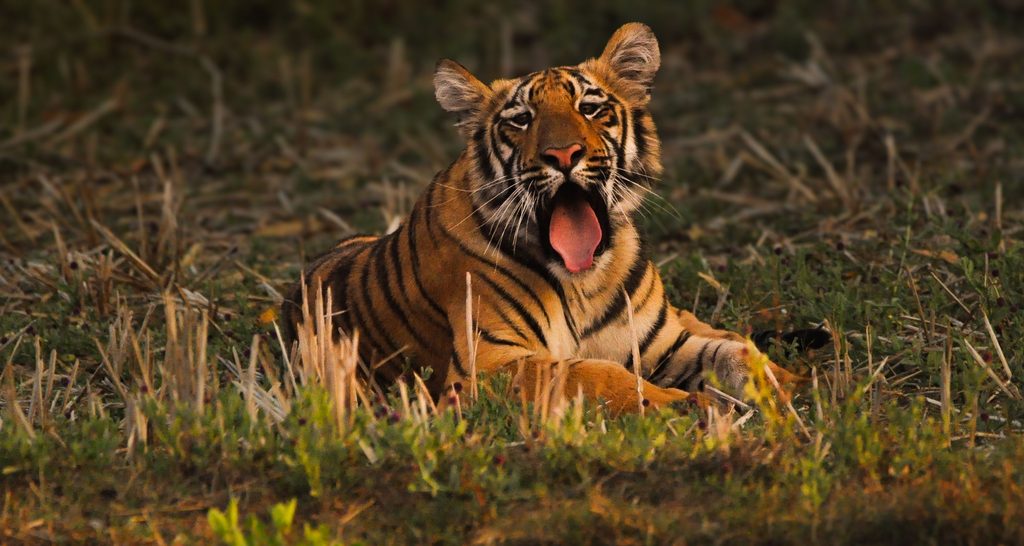
Best known for: Bengal tigers, excellent wildlife photography opportunities and rich forest biodiversity.
For travellers seeking an unforgettable tiger safari in India, Tadoba Andhari Tiger Reserve is a destination that deserves special attention. Located in Maharashtra’s Chandrapur district, Tadoba is one of the state’s oldest and most celebrated tiger reserves, attracting wildlife enthusiasts, photographers and nature lovers from across India and overseas.
Often referred to as the Jewel of Vidarbha, Tadoba is known for its dry deciduous forests, bamboo thickets, open meadows and picturesque lakes. These diverse landscapes provide a natural habitat for Bengal tigers and several other fascinating species.
Tadoba is particularly popular among travellers hoping to photograph tigers in their natural surroundings. The reserve’s landscape, dotted with water bodies and forest trails, creates opportunities for memorable wildlife encounters. However, sightings are always dependent on natural animal movement and cannot be guaranteed.
Beyond its famous tigers, the reserve supports leopards, sloth bears, Indian gaurs, sambar deer, spotted deer, wild dogs, crocodiles and a wide variety of resident and migratory birds. The Andhari River, Tadoba Lake and surrounding forest ecosystem further contribute to its ecological richness.
What Makes Tadoba Special?
Tadoba offers a distinctive jungle safari experience, with authorised jeep safaris operating in designated core and buffer areas. Popular safari zones include Moharli, Kolara, Navegaon, Zari and Pangdi, among others. Each zone offers a different landscape and opportunities to explore the forest.
For wildlife photographers, the reserve is particularly appealing because of its varied terrain and opportunities to observe animals around natural water sources. Travellers can choose morning or afternoon safaris, subject to availability and prevailing regulations.
A stay at a comfortable jungle resort near the reserve can make the experience even more rewarding, allowing visitors to enjoy the peaceful surroundings and the natural beauty of the region.
Best Time to Visit Tadoba National Park
The best time to visit Tadoba is generally from October to June. The winter months, from November to February, offer pleasant weather and comfortable conditions for safaris. March to May is particularly popular among wildlife enthusiasts seeking tiger sightings, as animals may frequent water bodies during the warmer months.
The reserve follows seasonal closures and zone specific operating schedules, so travellers should check the latest official safari availability before planning their visit.
Best suited for: Wildlife photographers, tiger enthusiasts, nature lovers, families and travellers looking for an immersive jungle safari experience.
Travel tip: Consider planning at least three nights in Tadoba with multiple safari excursions. This allows you to explore different permitted zones and experience the forest at different times of the day.
12. Jawai, Rajasthan
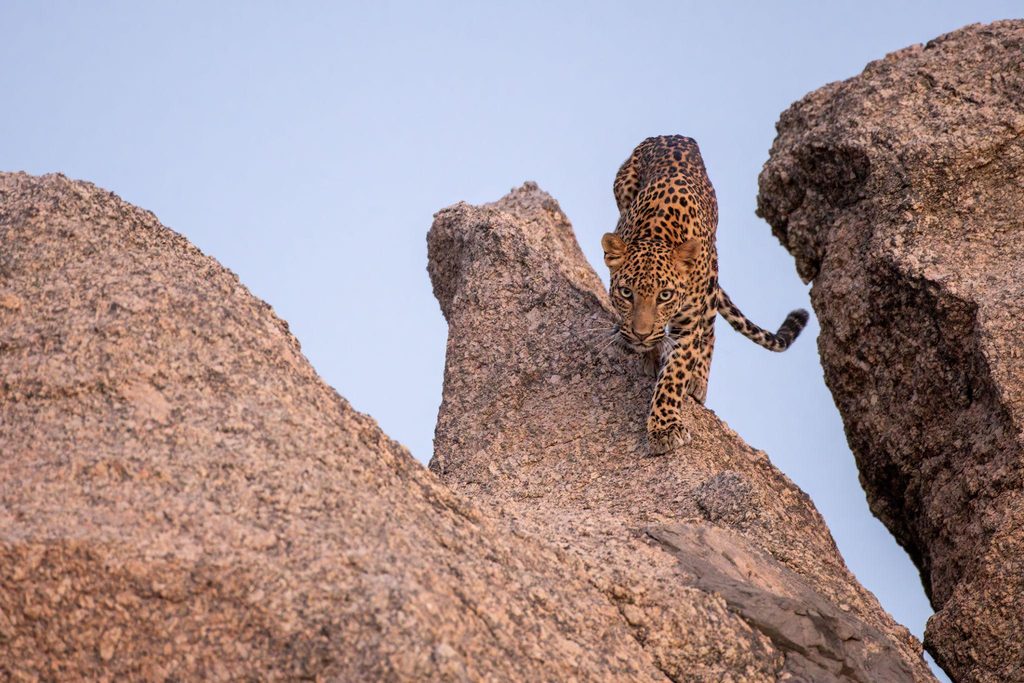
Best known for: Leopards, dramatic granite hills, unique wildlife encounters and luxury wilderness stays.
For travellers looking for a wildlife experience that goes beyond the conventional national park safari, Jawai in Rajasthan offers something truly distinctive. Nestled in the Pali district of Rajasthan, between the Aravalli Hills, Jawai is a remarkable wilderness destination renowned for its thriving leopard population and extraordinary natural landscape.
Unlike traditional tiger reserves, Jawai is not a formally designated national park. It is a unique wildlife landscape where leopards inhabit the rocky granite hills, often sharing their surroundings with local Rabari pastoral communities. This unusual coexistence between people and wildlife is one of the most fascinating aspects of the destination.
The landscape is characterised by enormous granite rock formations, open scrubland, small villages and the expansive Jawai Dam. These natural surroundings create an exceptional habitat for leopards, making the region particularly attractive to wildlife enthusiasts, photographers and travellers seeking a different kind of jungle safari experience.
What Makes Jawai Special?
Jawai is particularly famous for its leopard sightings. Unlike many forest reserves where dense vegetation can make wildlife observation challenging, the rocky terrain of Jawai sometimes allows visitors to spot leopards resting on granite formations or moving across the hills.
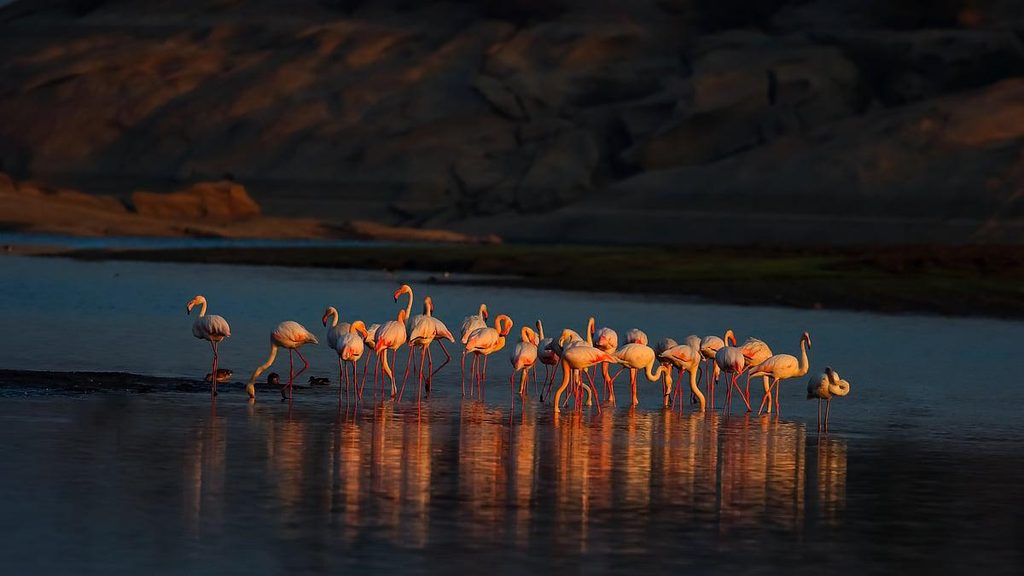
Apart from leopards, the region supports striped hyenas, Indian wolves, jungle cats, crocodiles and several other species. Jawai Dam is also an important attraction for birdwatchers, particularly during the migratory season, when various waterbirds visit the reservoir.
One of the most remarkable features of Jawai is the relationship between the local Rabari community and the leopards. Generations of coexistence have shaped a distinctive cultural landscape in which pastoral life and wildlife share the same environment.
The Jawai Safari Experience
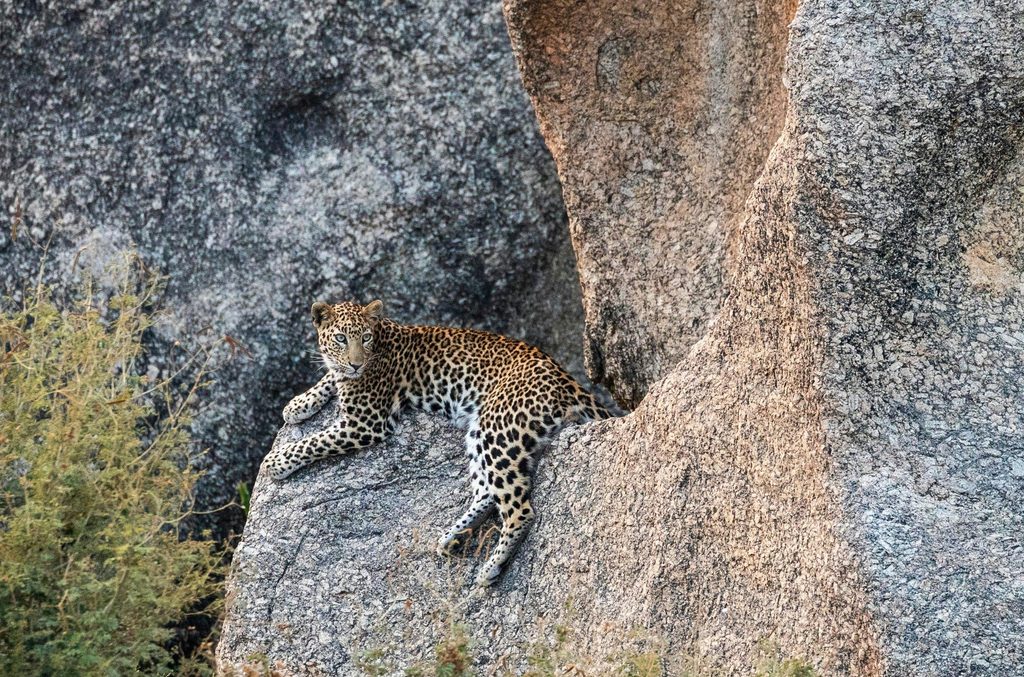
A wildlife safari in Jawai is quite different from the traditional jeep safaris conducted in India’s national parks. Visitors generally explore the rocky hills and surrounding wilderness in authorised local safari vehicles, accompanied by experienced local guides who understand the terrain and leopard movement.
The experience is often centred around exploring leopard habitats, observing wildlife from a respectful distance and enjoying the spectacular scenery of the Aravalli landscape.
For travellers seeking an exclusive wilderness holiday, Jawai is also known for its boutique luxury camps, beautifully designed lodges and personalised hospitality. Many properties offer experiences that combine wildlife exploration with comfortable stays, local cuisine and scenic views.
Best Time to Visit Jawai
The best time to visit Jawai is generally between October and March, when the weather is pleasant for outdoor activities and wildlife exploration. November to February is particularly attractive for birdwatching around Jawai Dam, while leopard sightings are possible throughout the year.
Best suited for: Wildlife photographers, luxury travellers, couples, birdwatchers and nature enthusiasts looking for an offbeat wildlife destination.
Travel tip: Plan a two to three night stay in Jawai to enjoy multiple leopard tracking excursions, explore the surrounding villages and experience the tranquillity of the granite hills. Jawai can also be combined with Udaipur, Jodhpur or Mount Abu to create a fascinating Rajasthan holiday.
Here is a quick seasonal guide to help you plan:
| Season | Months | What to expect |
|---|---|---|
| Winter | October to February | Pleasant weather, lush forests and excellent birdwatching |
| Summer | March to June | Better visibility in many forests and favourable wildlife viewing opportunities |
| Monsoon | July to September | Seasonal closures in several parks and greener landscapes |
Travel tip: Always check the latest opening dates, safari availability and zone specific regulations before finalising your itinerary. Park schedules can change due to weather and administrative decisions.
How to Plan the Perfect Wildlife Safari in India
A memorable jungle safari experience involves more than simply booking a vehicle and entering a national park. Thoughtful planning helps you enjoy the destination at a comfortable pace while making the most of your time in the wilderness.
Here are a few important considerations.
Choose Your National Park Based on Wildlife Interests
Different parks offer different experiences. If tiger sightings are your priority, consider Ranthambore, Bandhavgarh, Kanha or Pench. For rhinoceros encounters, Kaziranga is an excellent choice, while Gir is the natural destination for Asiatic lions. For elephants and beautiful forest landscapes, Nagarhole and Periyar are worth considering.
Book Safari Permits in Advance
Popular national parks often have limited safari permits, particularly during weekends, holidays and peak travel periods. Booking in advance is advisable. Safari zones, entry gates and vehicle availability should be checked carefully. Remember that a permit for one zone does not necessarily provide access to another.
Select the Right Accommodation
Accommodation plays an important role in shaping your wildlife holiday. From comfortable jungle lodges and boutique forest resorts to luxury wilderness retreats, India offers several options near its prominent wildlife destinations.
Choose accommodation based on its proximity to the authorised safari entrance, comfort, natural surroundings and quality of services.
Allow Time for Multiple Safaris
Wildlife sightings depend on several natural factors, including weather, animal movement and habitat conditions. Rather than planning a single safari, consider including multiple permitted excursions in your itinerary. This also allows you to appreciate the forest beyond its most famous inhabitants.
Ethical Wildlife Tourism: Travel Responsibly, Protect Nature
As wildlife tourism in India continues to attract travellers from across the world, responsible travel practices are becoming increasingly important. A truly memorable wildlife holiday should contribute positively to conservation rather than disturb the natural environment.
Here are some simple ways to practise ethical wildlife tourism:
- Always follow the instructions of authorised forest guides and officials.
- Avoid making loud noises or attempting to attract animals.
- Never feed, chase or approach wild animals.
- Do not litter or leave plastic waste inside forest areas.
- Choose responsible accommodation and tourism operators that respect local communities and conservation practices.
- Avoid supporting activities that involve inappropriate handling or exploitation of wildlife.
- Maintain a respectful distance while photographing animals.
Responsible tourism also supports communities living around protected forest areas by creating employment opportunities and encouraging conservation awareness.
The National Tiger Conservation Authority emphasises the importance of ecotourism that supports biodiversity conservation and local livelihoods. Ethical travel is therefore not simply a personal choice; it is an important part of preserving India’s natural heritage.
Why Choose India Travel Factory for Your Wildlife Holiday?
Exploring India’s wilderness requires thoughtful itinerary planning, suitable accommodation and well coordinated travel arrangements.
At India Travel Factory, we believe that every wildlife holiday should be more than a collection of sightseeing activities. It should be a meaningful journey that allows travellers to connect with nature, discover unfamiliar landscapes and enjoy memorable experiences.
Whether you are planning a family wildlife holiday, a photography focused expedition, a couple’s getaway or a customised journey across multiple national parks, our travel planning approach focuses on creating experiences that match your interests and travel preferences.
Our India safari packages can be designed around:
- Carefully selected national parks and wildlife reserves.
- Comfortable stays at nature resorts and jungle lodges.
- Safari arrangements subject to official permits and availability.
- Private transfers and convenient transportation.
- Customised itineraries combining wildlife with cultural and leisure experiences.
- Flexible travel arrangements for families, couples and small groups.
From the tiger forests of Madhya Pradesh to the mangrove waterways of the Sundarbans, India offers countless opportunities to discover its extraordinary natural diversity.
Let India Travel Factory help you plan a wildlife holiday that brings you closer to the wonders of the natural world.
Frequently Asked Questions About Wildlife Tourism in India
1. Which are the best national parks in India for a wildlife safari?
Some of the best national parks in India include Ranthambore, Tadoba, Bandhavgarh, Kanha, Jim Corbett, Kaziranga, Gir, Nagarhole, Periyar, Pench and Sundarbans. Each offers a distinct wildlife experience and different opportunities for observing animals in their natural habitats.
2. Which national park offers the best tiger sightings in India?
Ranthambore, Bandhavgarh, Kanha, Tadoba and Pench are among the popular destinations for tiger safaris. However, tiger sightings depend on natural wildlife movement, weather and other environmental conditions. No park can guarantee a sighting in the wild.
3. What is the best time for a wildlife safari in India?
October to June is the broad safari season for many Indian national parks. March to May can offer favourable tiger viewing conditions, while October to February is generally preferred for pleasant weather and birdwatching.
4. Which is the best national park in India for families?
Jim Corbett, Ranthambore, Kanha and Periyar are excellent options for family wildlife holidays. The choice depends on the age of travellers, preferred activities, accommodation requirements and accessibility.
5. How many days are sufficient for a wildlife safari holiday?
A three to four night stay at a single wildlife destination is a good starting point for most travellers. It allows time for multiple safari excursions and relaxation at the resort. For a holiday covering two national parks, consider extending the itinerary to six to eight nights.
6. Are wildlife safaris in India suitable for international tourists?
Absolutely. India’s national parks attract wildlife enthusiasts, photographers and nature lovers from across the world. International visitors can enjoy guided safaris, comfortable wilderness accommodation and customised travel arrangements.
7. Can I combine wildlife tourism with other Indian holiday destinations?
Yes. Wildlife destinations can be combined with nearby cultural, historical and leisure attractions. For example, Ranthambore can be combined with Jaipur and Agra, while Periyar can be included in a Kerala itinerary covering Munnar, Kumarakom and Alleppey.
Discover the Wild Side of India with India Travel Factory
India’s wilderness is full of surprises. A tiger appearing along a forest trail, a herd of elephants crossing a river, a rhinoceros grazing peacefully in the grasslands or the sight of birds taking flight across a lake can turn an ordinary holiday into an extraordinary memory.
From the magnificent tiger reserves of central India to the wetlands of Assam and the mangrove forests of West Bengal, the country’s wildlife destinations offer something special for every nature enthusiast.
Whether you are looking for an exciting tiger safari in India or a relaxing nature escape surrounded by beautiful landscapes, the possibilities are endless.
Start planning your next wildlife adventure with India Travel Factory and discover a side of India that goes far beyond the usual travel experiences.